

The platform is an app in the farmer's hand.
Every Fashol service - onboarding, pricing, collection, grading, settlement, and order book - runs through Jogaan, the Bengali-first Android app our field agents carry and our farmers receive a notification from at 19:00 each evening. The six modules below are the work that sits behind the app.

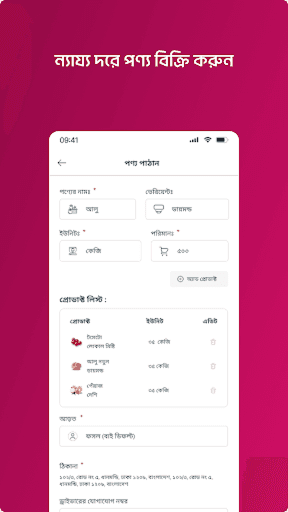
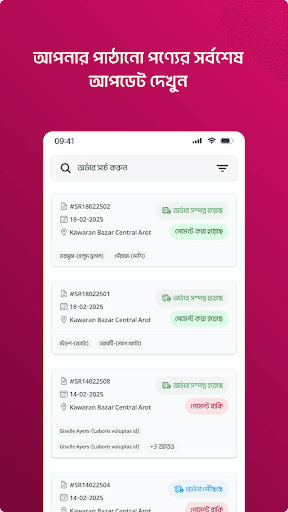
Three Jogaan screens, left to right: onboarding, next-day offer, settlement.
Each module below runs in production today.
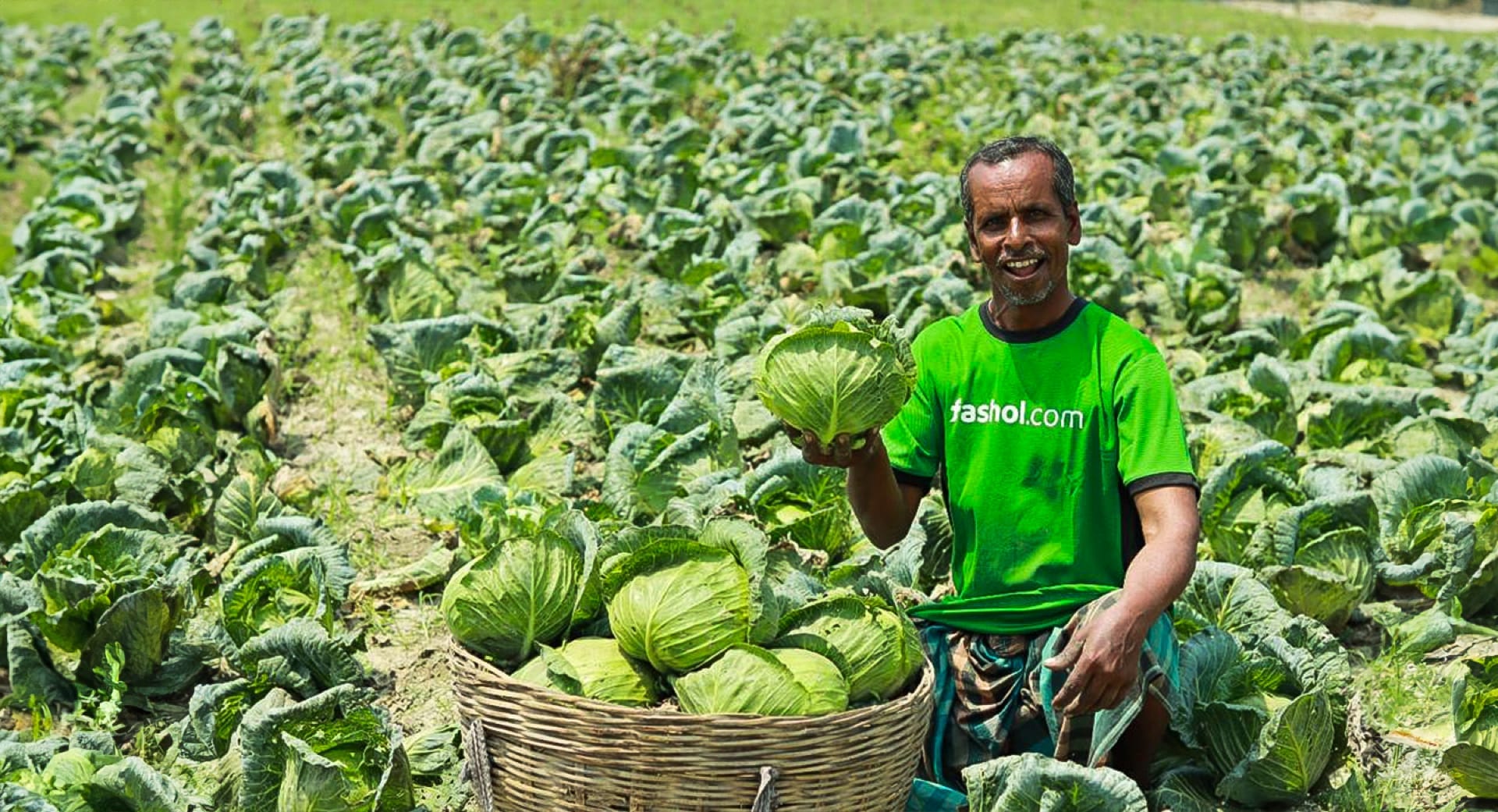
Farm-to-market platform
Direct matching, farmer to buyer.
The base layer. Farmers list crop, quantity, harvest window, and price on Jogaan; buyers post demand. The platform matches them directly - no aratdars, no price opacity, no delayed settlement.
Pricing is visible to both sides from the point of agreement. Every transaction logs against a farmer ID they own and can show to banks, extension officers, or offtakers.
Smart logistics network
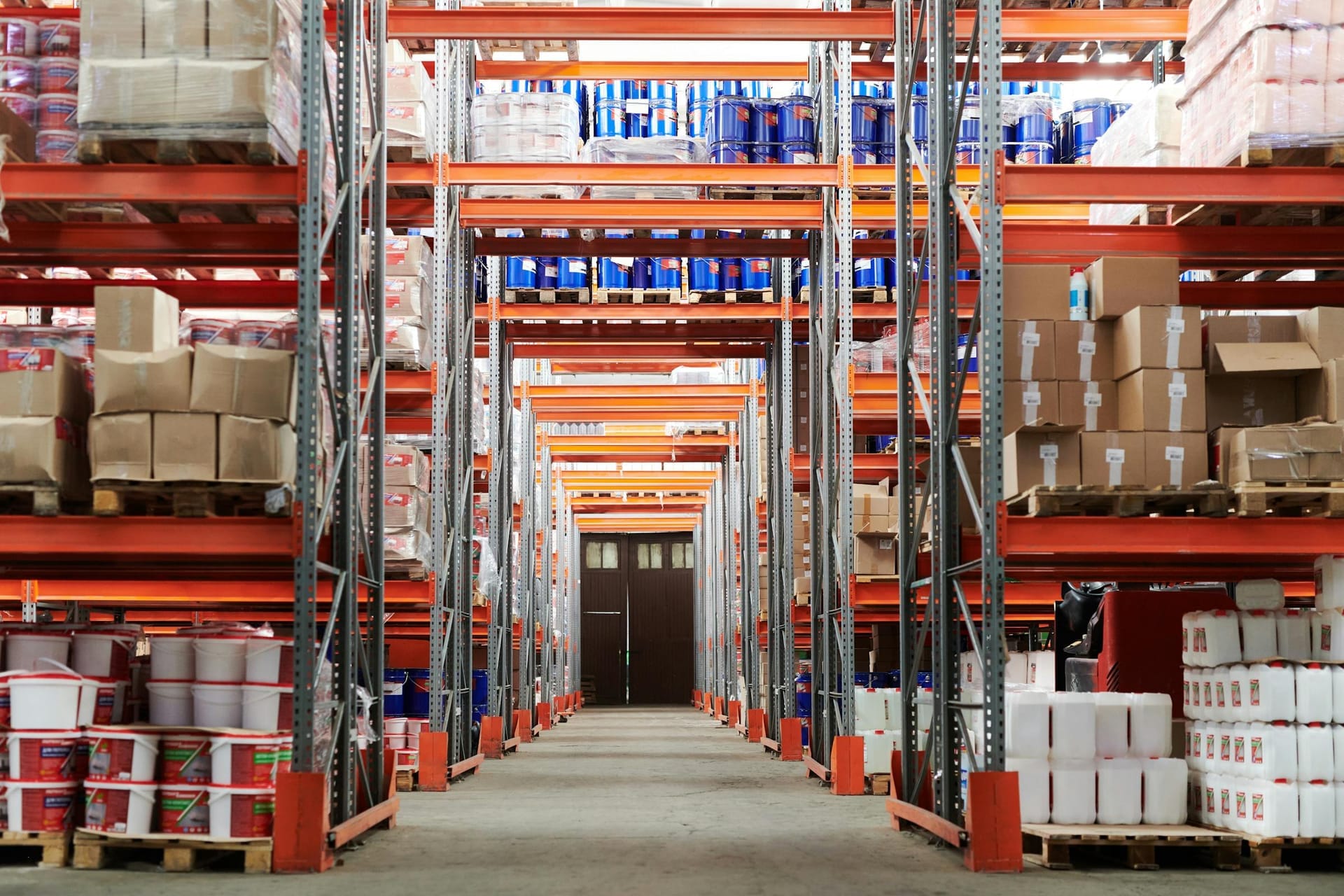
Cold chain where it was never built.
Last-mile pickup and cold-chain dispatch reach forty-plus district hubs, many in climate-vulnerable coastal and riverine belts with no prior cold chain.
The platform plans routes; company fleet and partner operators run them. Temperature and dwell-time are logged per crate, so a buyer knows how long a kilo of tomato sat out of cold.
Buyer solutions
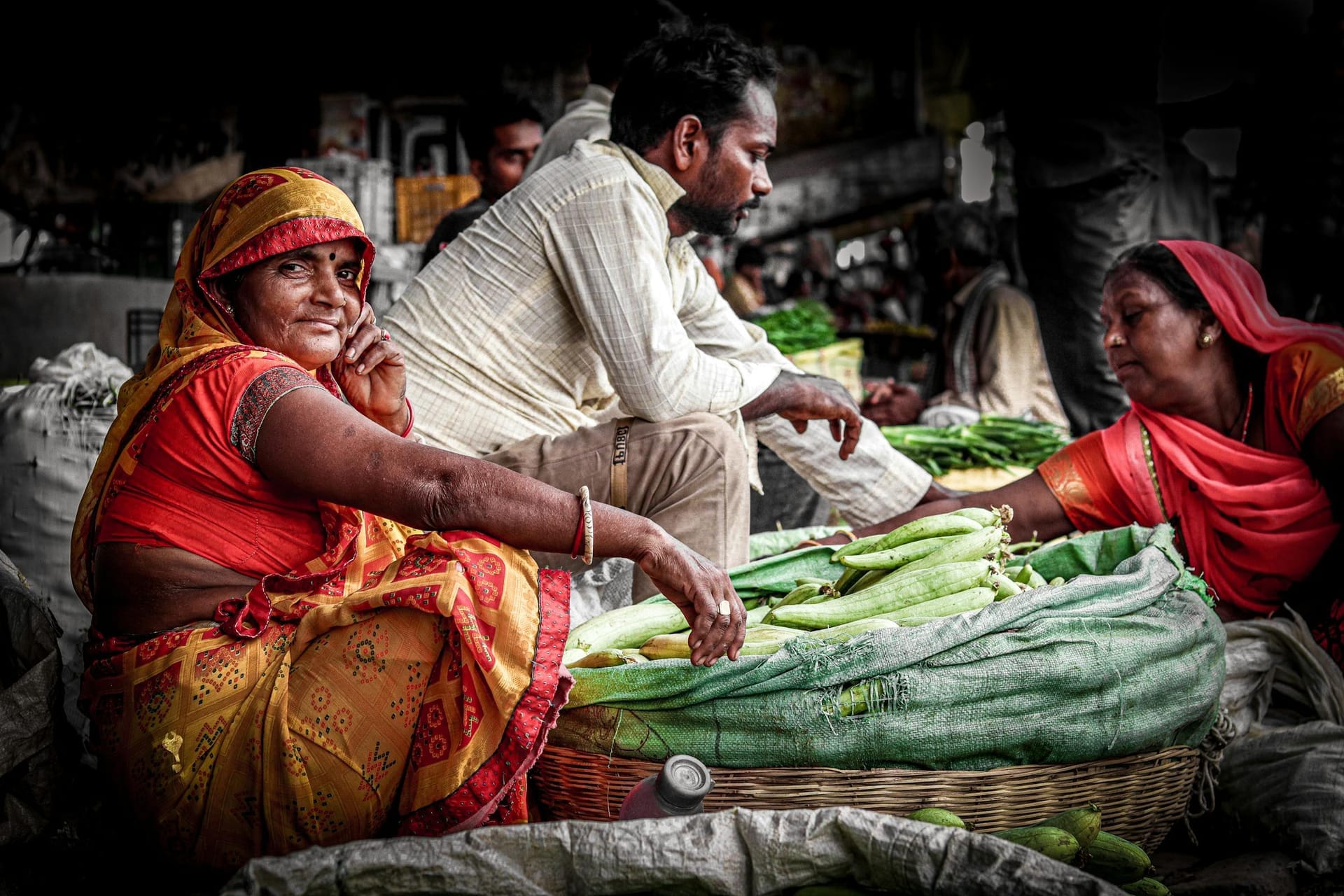
Ordering, inventory, and fulfilment for four buyer classes.
Buyers - MSMEs, quick-commerce operators, exporters, wholesalers - use a tailored ordering interface with live inventory, tier-graded produce, and delivery-window visibility.
Bulk and recurring orders are supported. Foodpanda, Chaldal, Daraz, and Domino's are among the 7,000+ buyer accounts currently on the platform.
Market intelligence
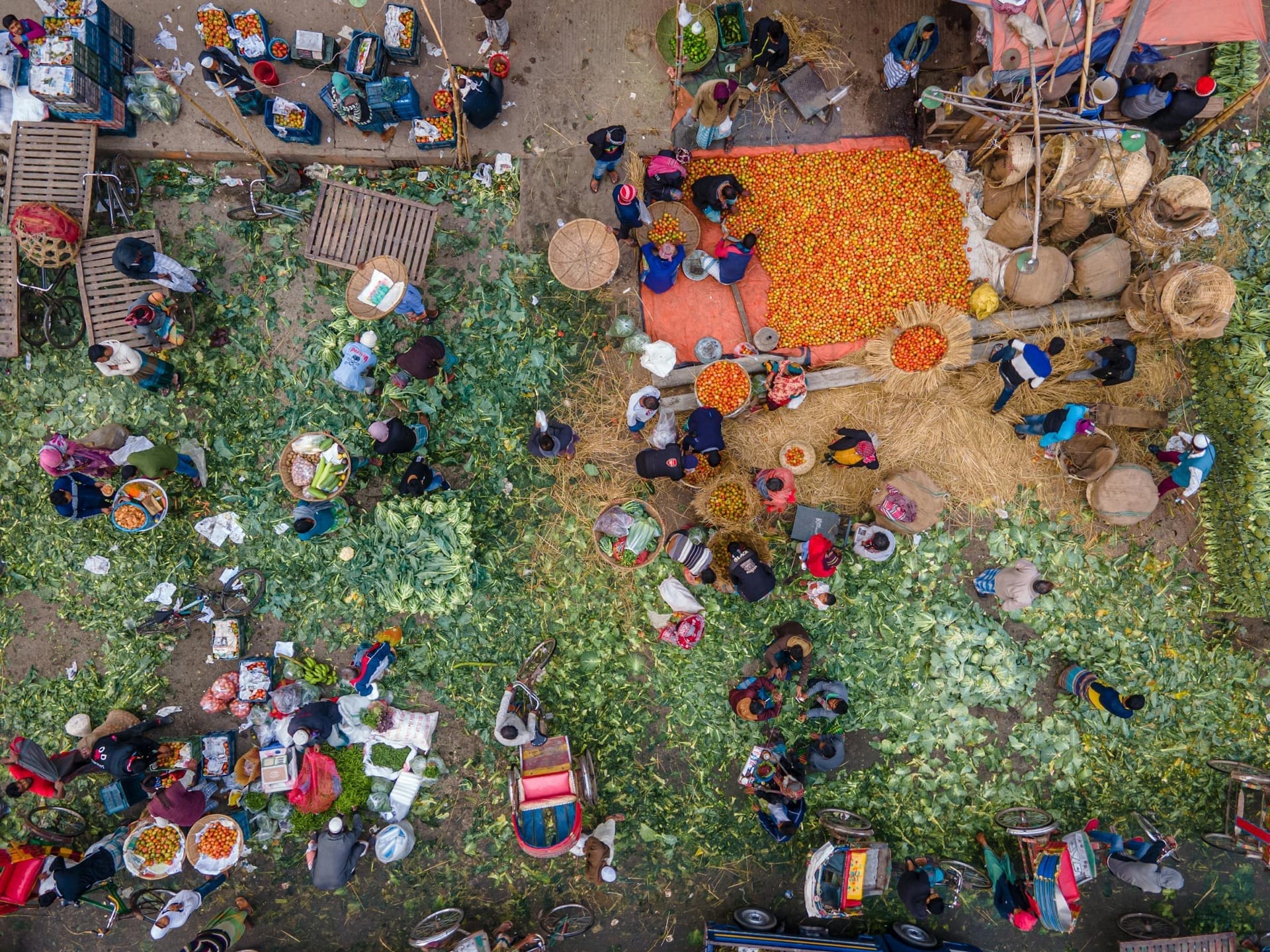
Real-time pricing, made available to the grower.
The same price signals commodity desks and urban wholesalers rely on - published daily to Jogaan in Bengali, with a seven-day trailing chart and twelve-month seasonal comparison.
The audience is smallholder growers in climate-vulnerable districts for whom a day-late price signal is a week-late planting decision.
Quality assurance
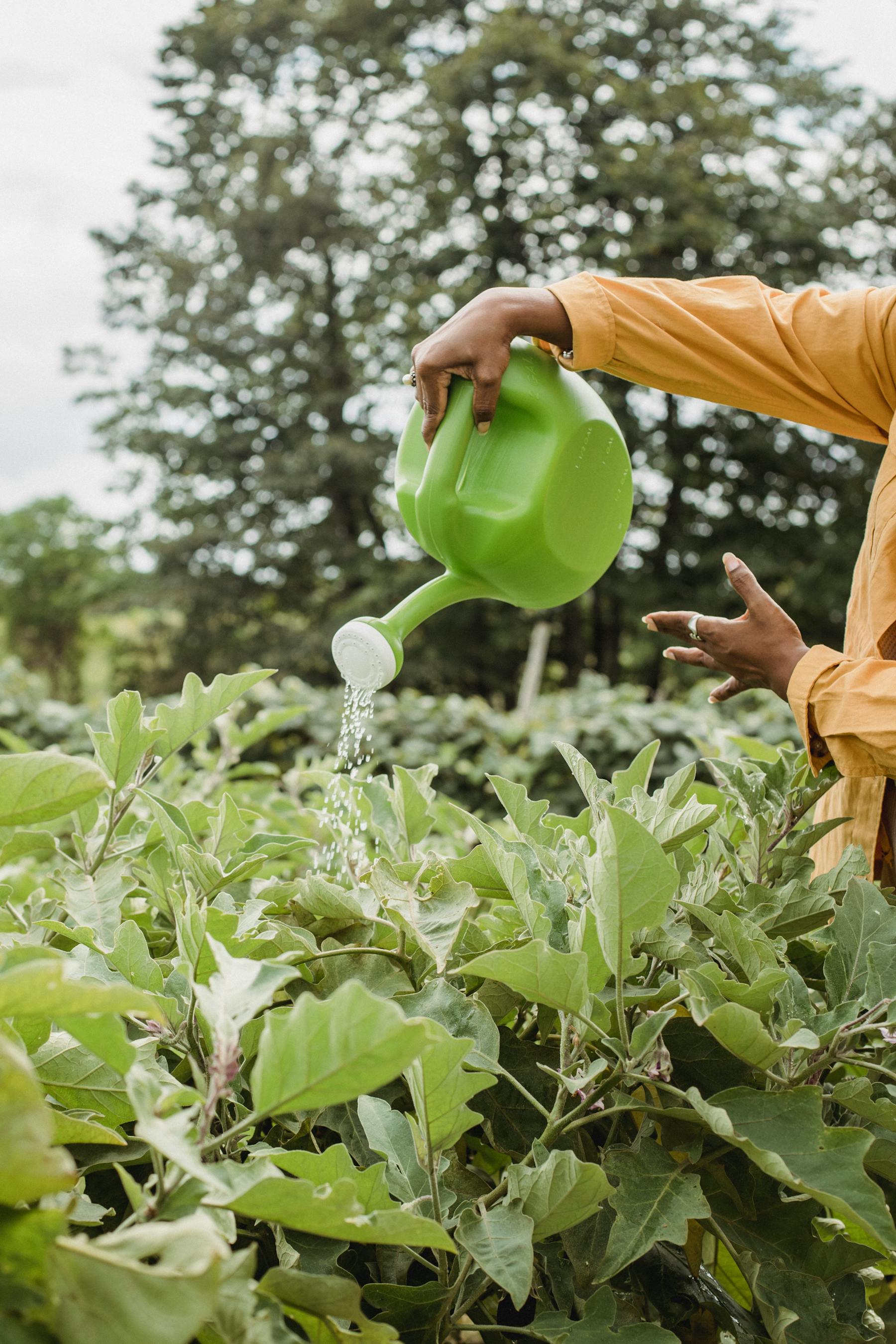
A four-tier grade applied at hub intake.
Produce is graded on weight, visual defect, storage-life, and provenance before it leaves the district. Grading happens at the hub, not the urban wholesale market as elsewhere - the origin of most adulteration.
Grade A goes to exporters and quick commerce; Grade B to MSMEs; Grade C to wholesale; Grade D is rejected and routed to animal feed or compost contractors.
Financial solvency
Twenty-four-hour settlement. Credit against a registered track record.
Farmers are paid through mobile financial services (upay, bKash, Nagad) within 24 hours of weighing - against a traditional 2-to-6-week cycle.
Farmers with a twelve-month track record qualify for seasonal credit from banking partners, underwritten against their registered volumes rather than their land.
যোগান - Jogaan. The app the field runs on.
Bengali verb meaning "to supply." Built for field agents and farmers who handle registration, price lock, collection, and payment on one device.
On Google Play for Android 7.0+. Full Bengali localisation; English optional. Field-tested with agents and farmers who had never used a smartphone before.