

Wholesalers.
A modern supply stack behind your existing trading business. Consistent volumes, cold-chain fulfillment, transparent pricing, and same-day settlement. Plug Fashol into the trade you already run.
- 0
- Daily cold-chain capacity
- Same day
- Settlement on delivered volume
- 50 districts
- Origin reach across Bangladesh
The wholesale business has hit the ceiling of the old chain.
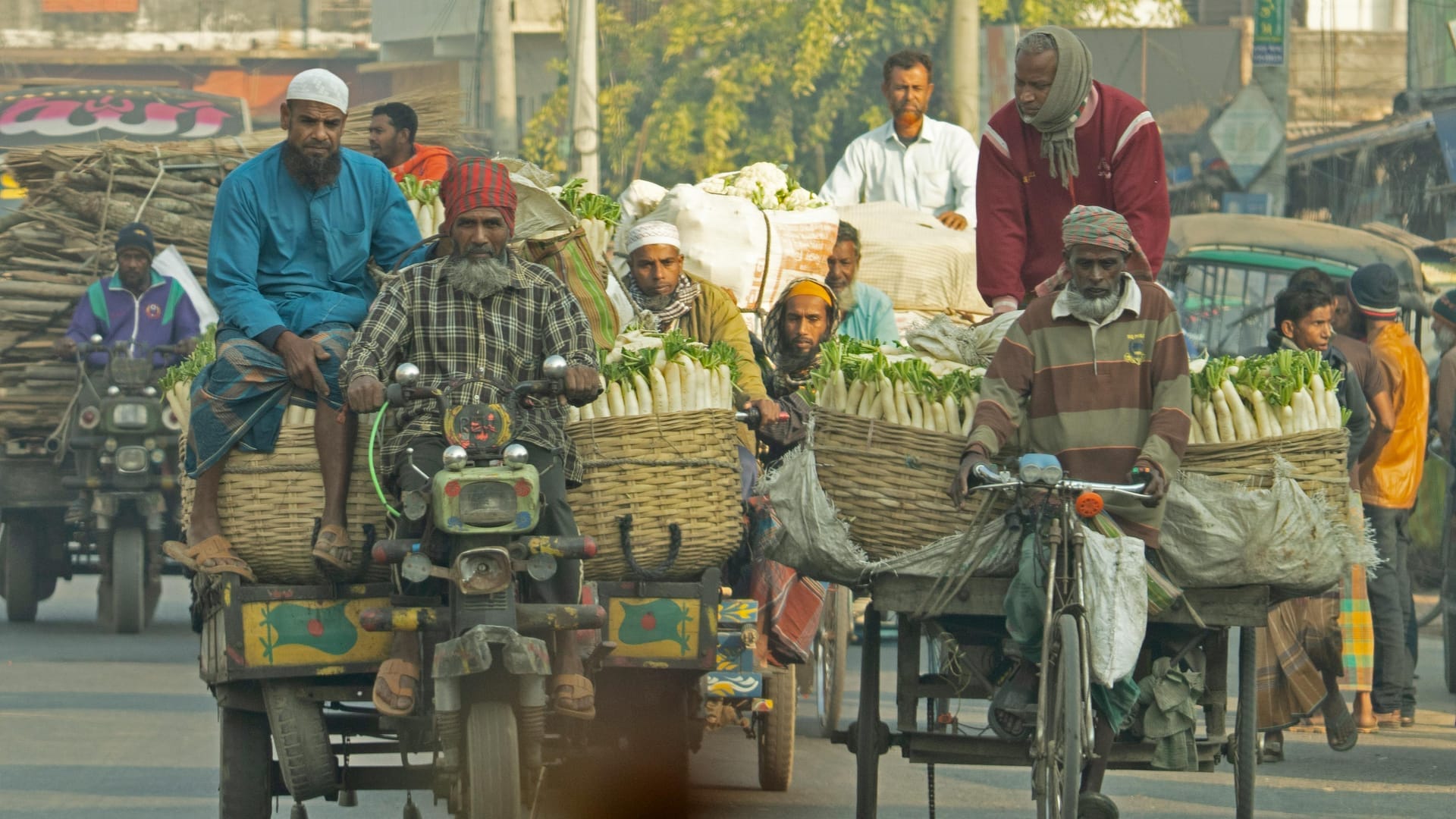
A trader at Karwan Bazar or any city market spends years building relationships - which aratdars to trust, which districts deliver, which farmers bring Grade A. Volume moves because the trader works the phone from 3 AM. The business scales with the trader's hours, not a system.
That model caps out. A trader manages maybe 50 origin relationships. One district's bad weather breaks the week's supply. A 40-ton order on two days' notice risks the rest of the book. Credit is whatever the trader can float, and grading is a guess, so disputes happen downstream.
The trader is not the problem. The infrastructure behind the trader is.
Up to 0x
The volume a wholesale trader typically moves after plugging into Fashol's sourcing and settlement stack. Same trader, same relationships, same market stall - now with a supply chain that does not cap at the trader's personal capacity.
The same trader. A different ceiling.
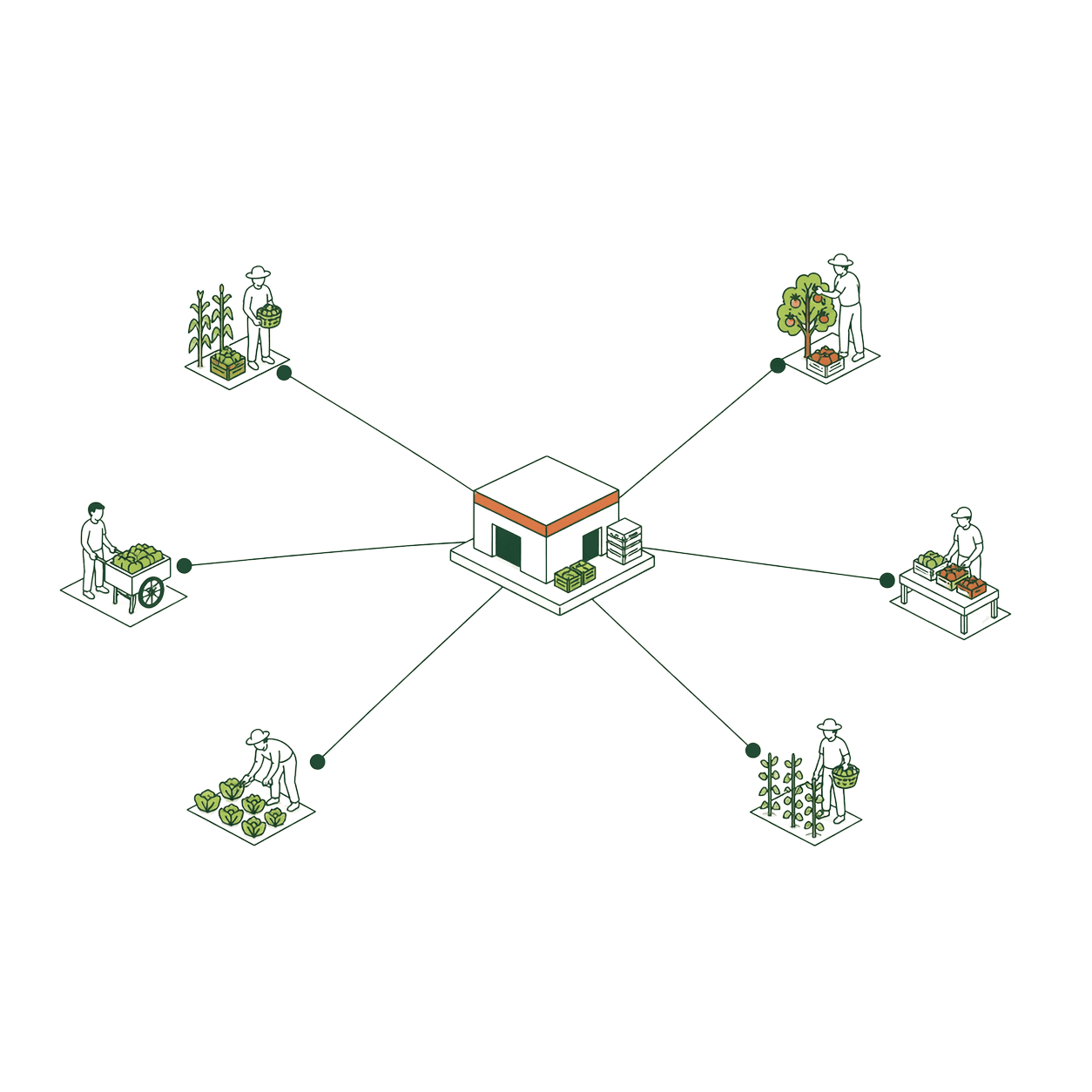
Fashol does not replace the wholesale trade. It extends its capacity. Below is what changes when a wholesaler plugs in.
50
districts of network redundancy keep supply steady.
200+
wholesale markets benchmarked for live, published pricing.
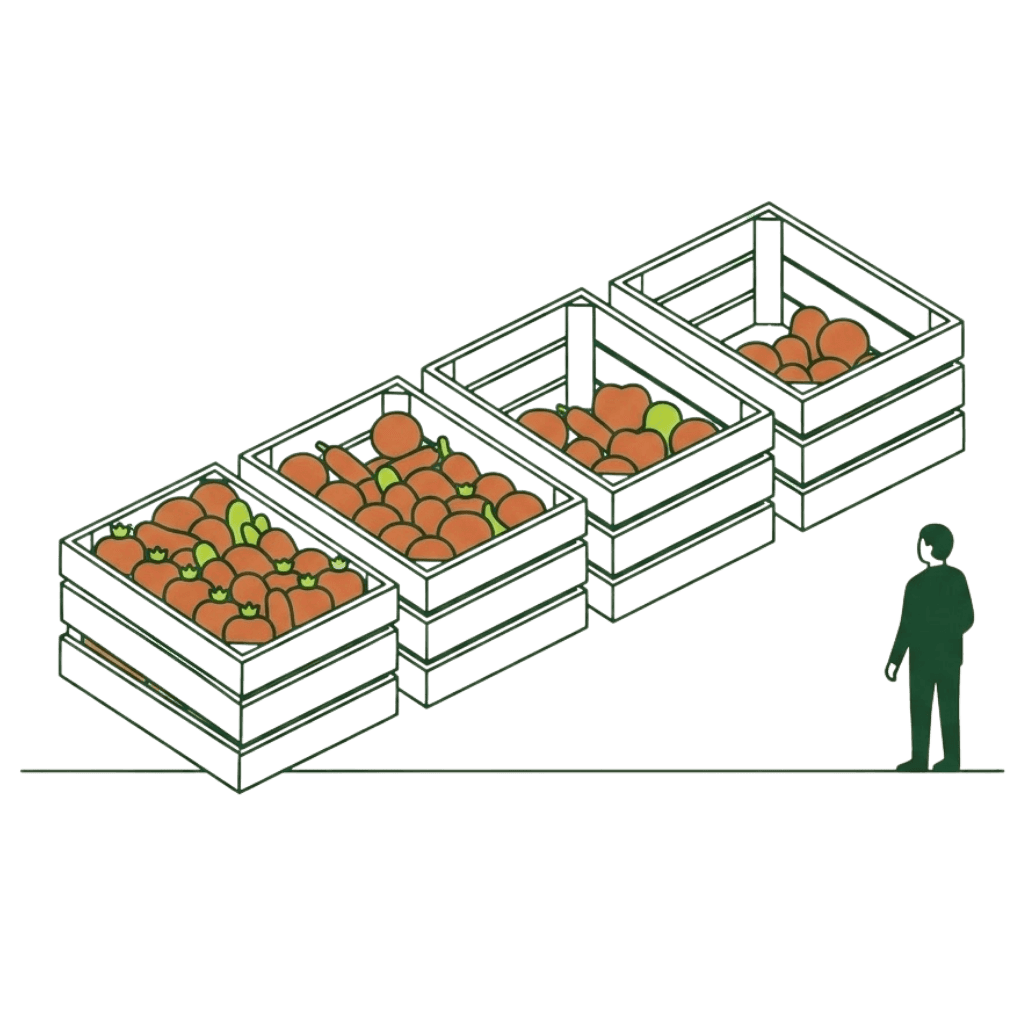
Four-tier grading applied at the hub.

Credit underwritten by the Fashol network.
The trader extends downstream terms without touching personal working capital.
T+0
same-day settlement on delivered volume.
At the hub.
Quality disputes resolved before dispatch, not after.
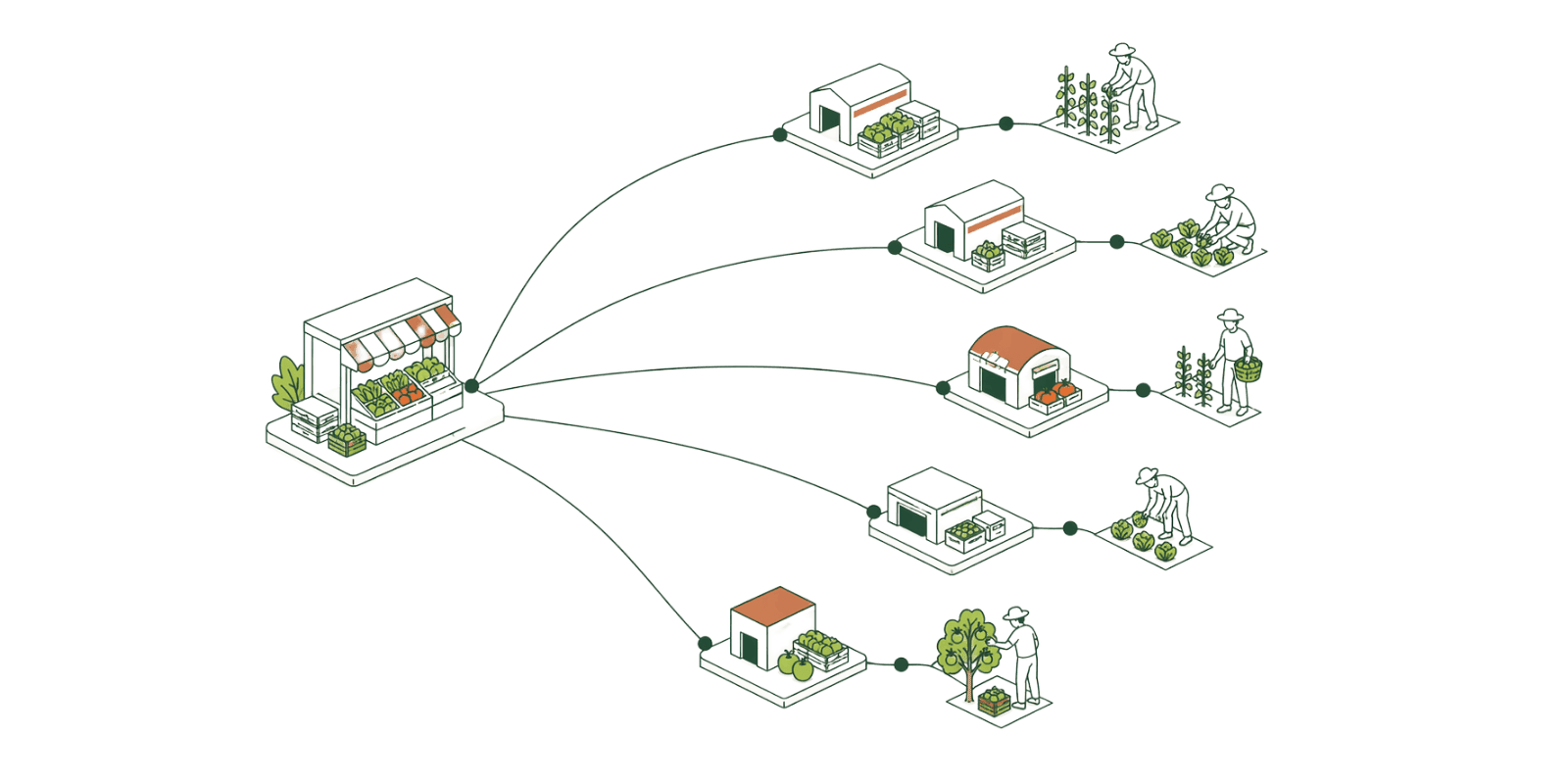
Volume scales with the network, not the trader.
Not a new business. A bigger one.
The product behind this work.

The buyer procurement desk. Wholesalers use Hyperfarm to service their downstream book - restaurants, supershops, quick commerce, institutional kitchens.
“I was moving around 80 tons a week before Fashol. I knew my ceiling. The relationships I had, the hours I could keep, the credit I could float - it worked out to 80 tons. Today I move above 250 tons a week. Same stall, same market. The difference is I am not sourcing alone anymore.”
Seventy-two hours from first conversation to wholesale delivery.
No rollout needed. Fashol's wholesale desk runs a live supply load within three days of the first conversation - scoping volume, mapping SKUs to Fashol pricing, and turning on the first delivery. It grows from there.
First conversation.
A Fashol wholesale representative walks through the trader's typical book - crops, volumes, downstream customers, current supply pattern. One phone call, sometimes a market-side visit.
SKU and volume mapping.
Within 24 hours, the trade team maps the trader's regular book to Fashol SKUs with live pricing. Downstream customers on Hyperfarm are flagged for coordinated supply.
First wholesale delivery.
Within 72 hours of the first conversation, Fashol runs the first wholesale load at the trader's stall. Cold-chain fulfillment, graded at origin, settled same-day.
The book scales.
From week two onward, volume scales with the trader's downstream demand. Fashol's trade team stays embedded for the first month to tune pricing, grading preferences, and settlement cadence.
The rest of the trade side runs on Fashol too.
Commission agents
Traditional arotdars on a modern stack, with transparent pricing and settlement.
Importers
Bulk produce supply for import-focused distributors, with origin documentation handled upstream.
Exporters
End-to-end export corridors to the UK, Europe, the Middle East, and Southeast Asia.