

The conversation.
A Fashol trade representative sits with the arotdar to understand the arot's history, current book, regular farmers, and downstream buyers. No changes to the existing trade.
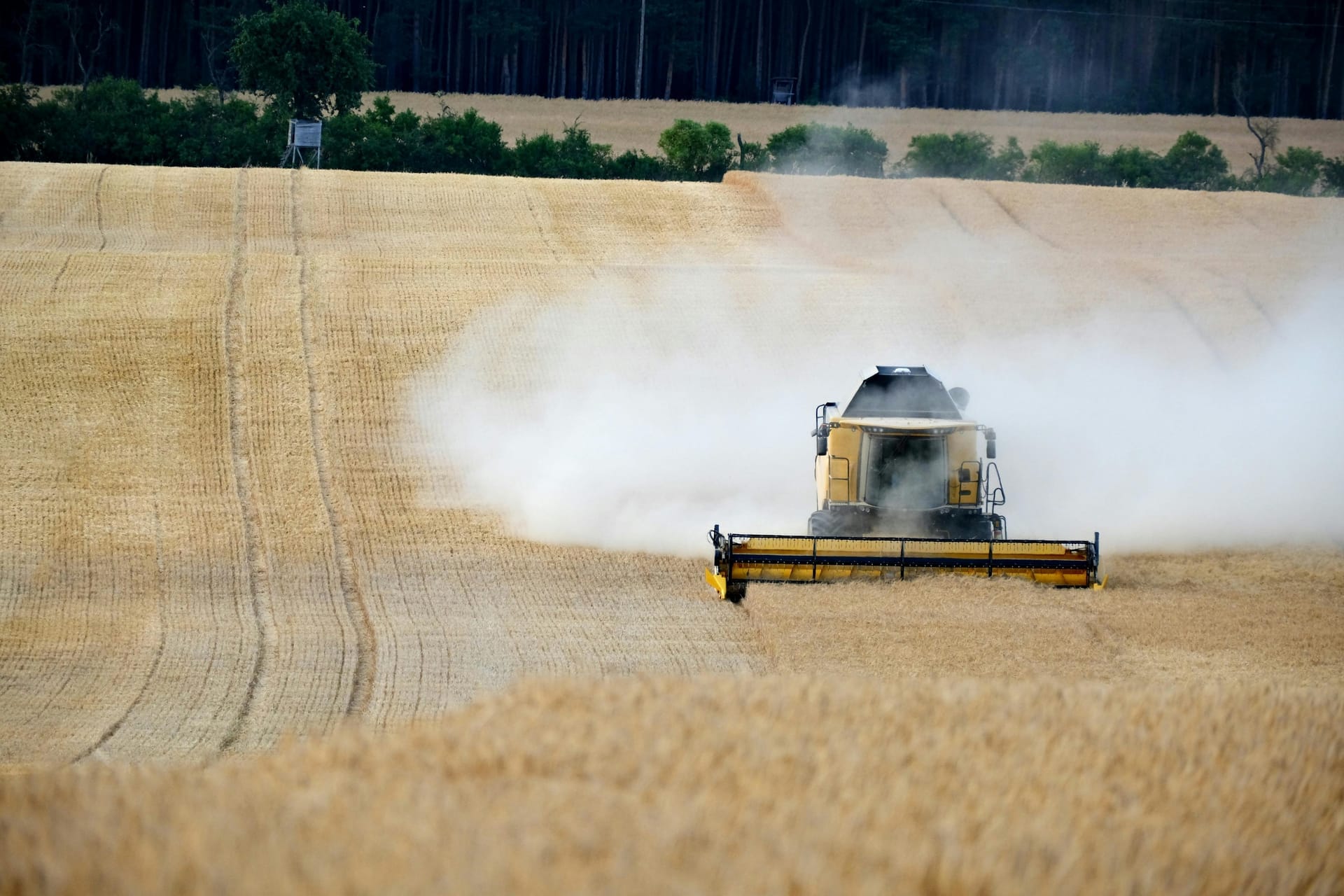
For generations, the arotdar has sat at the center of produce trade in Bangladesh. The farmer brings the crop; the arotdar finds the buyer, sets the day's price, and takes a commission. Settlement happens when it happens; ledgers are written in pen, in books decades old. Trust builds season by season, because everyone in the arot knows everyone else.
The trade around it has changed. Buyers want price transparency before they order; farmers want paying the day they deliver; restaurants and quick commerce platforms want grading, packaging, and digital receipts; wholesale buyers compare prices across districts before committing. An arotdar still on a paper ledger and weekly settlement is losing his father's trade - not because the trade left him, but because the tools did.
A young arotdar taking over the family business does not need to abandon the arot. He needs to bring the arot up to speed.
The volume a young arotdar typically moves on Fashol versus the old paper-and-handshake setup. Same arot, same family, same place at the market - now with a platform handling pricing, settlement, and downstream buyers.
A side-by-side look at six operational dimensions of running an arot - first without Fashol, then once Fashol is plugged in.
Set every morning by what walked into the market. Negotiated from zero, every day.
When it happens. Sometimes a week, sometimes more.
Found one phone call at a time.
Defined by who could come to the market.
Disputed at the stall, after delivery.
Floated from personal cash. Capped by what the arot can afford to risk.

Live pricing benchmarked against 200+ wholesale markets, daily.
Same-day, digital, on every transaction.
Restaurants, supershops, quick commerce - already on Hyperfarm. The downstream book is built in.
Extended to 50 districts and platforms across Bangladesh.
Four-tier grading at the hub, before dispatch.
Same-day settlement and Fashol-backed credit extend working capital without touching personal cash.
Same arot. Two arots.
“My father built this arot in 1987. He knew every farmer who walked in by name, and every buyer who called. I took over four years ago and I was losing volume - the buyers I grew up with were going to younger arotdars who could send a price by WhatsApp before noon. Fashol did not replace what my father built. It gave me a way to keep building it.”
Arotdars are not onboarded overnight, but the rollout is short. Day one is a conversation - the arot's history, its book, the family relationships. Day two, a Fashol account goes live with regular farmers and buyers mapped in. Day three, transactions flow through Fashol alongside the paper ledger. By the end of week one, the ledger is the backup, not the primary record.
A Fashol trade representative sits with the arotdar to understand the arot's history, current book, regular farmers, and downstream buyers. No changes to the existing trade.
Within 24 hours, the arot's regular farmers are added to the Fashol platform. Downstream buyers - restaurants, supershops, wholesale partners - are mapped in if they are not already on Hyperfarm.
On day three, the first transactions flow through Fashol with live pricing, digital settlement, and grading at the hub. The paper ledger continues in parallel for the first week.
By the end of the first week, Fashol handles the primary record. The paper ledger stays for any transactions outside the platform - personal arrangements, long-standing relationships - but the bulk of the arot runs digitally.
A modern supply stack behind the wholesale trade, with 50-district sourcing and same-day settlement.
Bulk produce supply for import-focused distributors, with origin documentation handled upstream.
End-to-end export corridors to the UK, Europe, the Middle East, and Southeast Asia.