


Margin that holds for the week.
Wholesale pricing locked for the agreed window, regardless of spot-market shocks. The shelf price holds, the margin holds, the CFO's quarterly number stops moving.
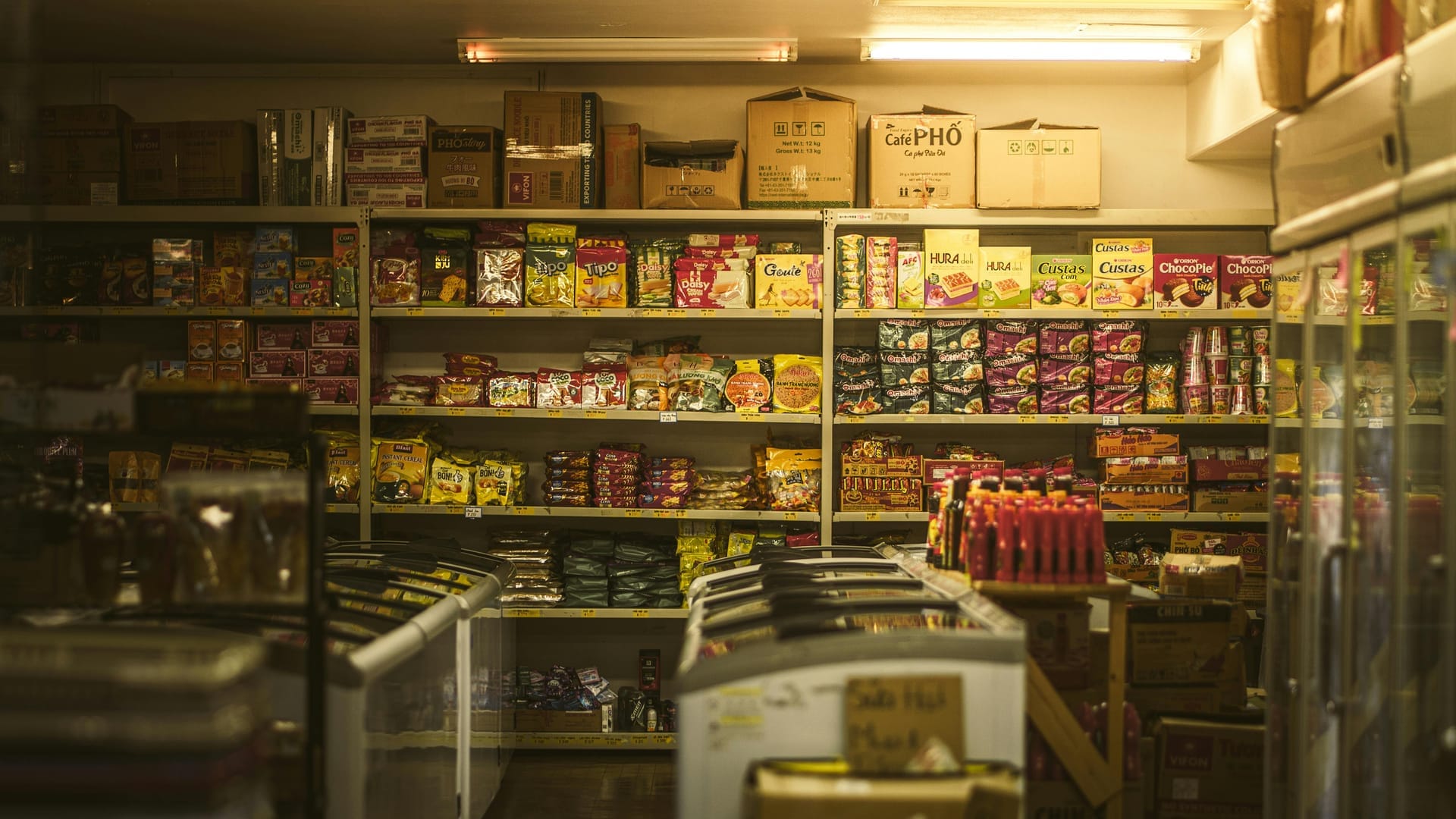
Fresh produce does two jobs at once: it pulls shoppers in every week and quietly eats the most margin. Tomato prices swing 30 percent in a week while the shelf price cannot. Suppliers ship Grade B on a Grade A contract, forcing discounts to clear stock. A late van means empty shelves and smaller baskets.
Most supershops juggle a roster of suppliers - vegetables, fruits, leafy greens, imports - each with its own pricing, quality, and reliability. Procurement spends mornings reconciling invoices and afternoons explaining shrinkage. The CFO sees margin swing every quarter and cannot tell a supplier issue from a market or forecasting one.
Fresh produce should be a stable contributor, not a volatility center. The supply chain is what makes the difference.
The fresh produce margin a supershop typically protects on Fashol versus a spot-market model. Pricing locked for the week, grading at the hub, daily replenishment to every outlet - the volatility disappears.
Margin protection, replenishment reliability, multi-outlet coordination, and shelf-ready freshness. Every Fashol delivery to a supershop is built around these four, every day.
Wholesale pricing locked for the agreed window, regardless of spot-market shocks. The shelf price holds, the margin holds, the CFO's quarterly number stops moving.
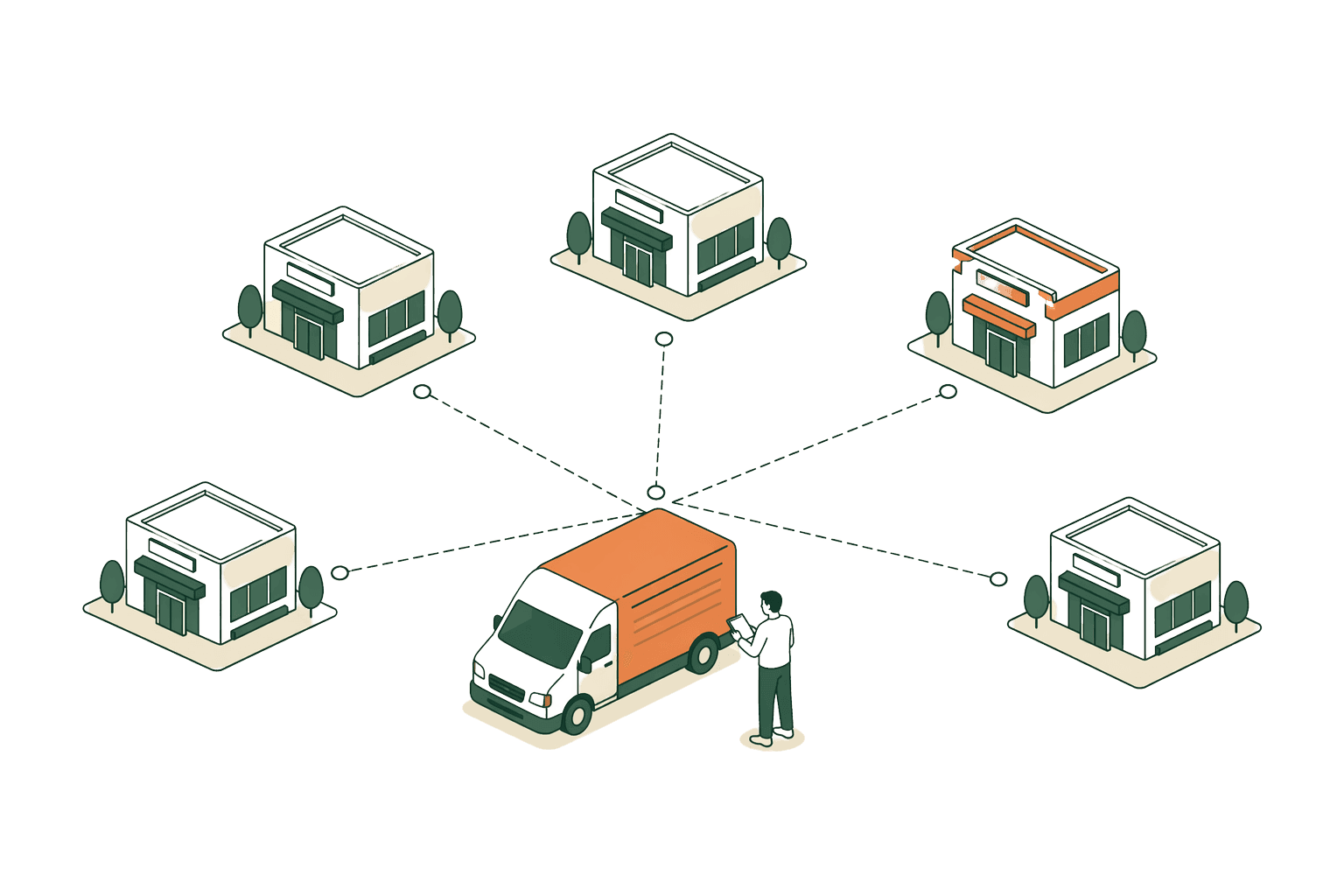
Cold-chain delivery before opening hours to every store on the chain. No empty shelves at 10 AM. No overstock left at 9 PM. Volume per outlet is dialed against actual sell-through, not estimated demand.
SKUs across fresh produce categories, available daily on Hyperfarm.
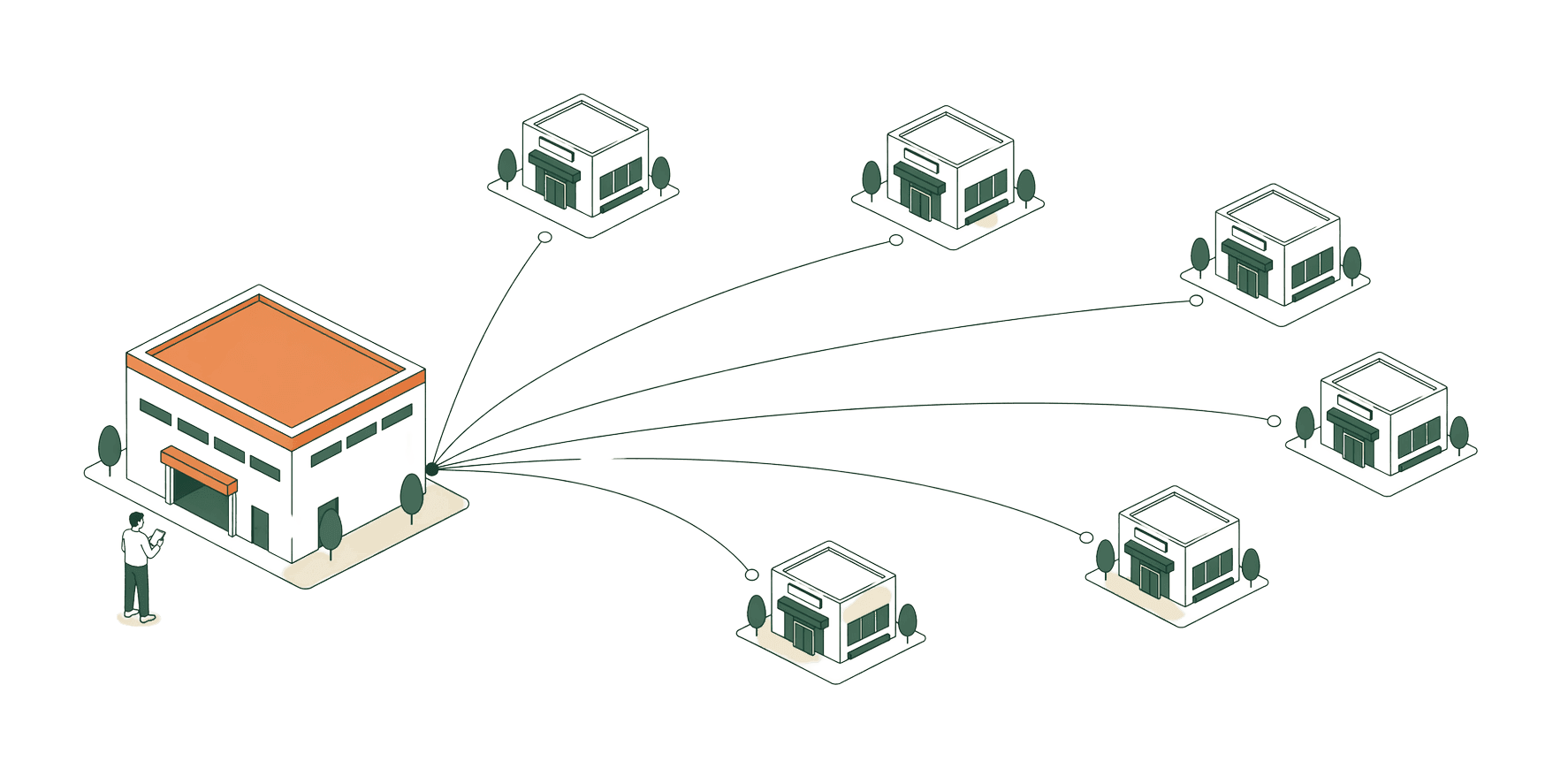
A 20-plus outlet supershop chain on Fashol manages one invoice, one delivery contract, one quality SLA. Procurement teams stop reconciling across vendors. Category heads stop explaining inconsistency between branches.
Grading applied at Fashol's hub before dispatch. Only the agreed grade reaches the outlet.
Graded at origin. Delivered shelf-ready, every morning.

The buyer procurement desk. Supershop chains use Hyperfarm to lock weekly pricing, schedule outlet replenishment, track quality SLAs, and reconcile multi-outlet supply on a single platform.
“We were running fresh produce across nine suppliers, and our margin was a different story every quarter. Once we moved produce supply to Fashol, the procurement team stopped chasing invoices and category heads stopped chasing variance reports. The number that moves is volume now, not margin.”
Supershop chains do not switch produce supply lightly, so Fashol pilots one outlet first. Day one is the conversation: SKU list, weekly volume per outlet, supplier mix, margin baseline. Day three the outlet is live; day seven the full chain runs on Fashol. The trade team stays embedded the first month to tune SKU mix per outlet.
A Fashol supershop representative walks through the chain's current produce program - SKU list, weekly volumes per outlet, supplier roster, margin baseline, freshness SLAs.
Within 72 hours, one outlet starts running on Fashol. Cold-chain fulfillment, four-tier grading, daily replenishment. The chain's procurement team monitors against the existing supply for the first three days.
End of day five, the chain reviews the first outlet's margin, freshness, and replenishment performance against the rest of the network. Pricing windows are locked for the chain rollout.
Days six and seven, the remaining outlets onboard in waves. The trade team stays embedded for the first month to tune SKU mix, replenishment volume, and quality SLAs per outlet.
Morning delivery for 400+ restaurants including Domino's, with grading at the hub and transparent wholesale pricing.
Fill rate above 95% for Foodpanda, Chaldal, and Foodie, with same-day fulfillment to every dark store in Dhaka.
Supply partnerships for smaller retail chains and corner stores, with consistent grading and dependable volumes.